
Food technology

Food technology

Food products increase their market value thanks to intensive innovation. Porto Conte Ricerche assists productive sectors through research and testing activities in various areas open to development: a detailed characterisation and enhancement of local raw materials; redefinition of products that present the food growing tradition of Sardinia in a modern light; innovative packaging systems capable of preserving the sensory characteristics and quality of the products over time.

Over the years, Porto Conte Ricerche has developed technologies for improving the quality of agricultural food production, through programmes that have involved clusters of businesses in the key sectors of Sardinia’s agri-food economy.

  • A.B.C. Project
    A.B.C. – Artichoke Burger Challenge DescrizioneLe abitudini alimentari variano in continuazione in relazione al mutamento delle modalità e dei ritmi lavorativi, della struttura delle famiglie e delle nuove tipologie di consumo. In quest’ottica appare evidente come la realizzazione di cibi pronti che rimandino però alla cultura alimentare locale possa trovare una più efficace collocazione sul mercato. Il progetto intende valorizzare una delle colture più amate e diffuse della Sardegna attraverso la sperimentazione e la realizzazione di due nuovi prodotti precotti: un burger crudo non panato a base di carciofo e un semilavorato (sempre a base di carciofo) da destinare a prodotti dell’industria alimentare, come farcia per paste ripiene o sformati. Per la realizzazione del burger vegetale verranno studiate le migliori combinazioni sia dal punto di vista della sapidità (attraverso ricette realizzate in collaborazione con alcuni chef o scuole di cucina) che della formatura (tramite l’individuazione dell’ingrediente aggregante più adatto). Successivamente verrà studiato il sistema di packaging più rispondente e, sui prodotti finiti, saranno condotte analisi microbiologiche, chimico-fisiche e valutazioni sensoriali allo scopo di determinarne la shelf life.Per quanto riguarda la realizzazione di un semilavorato a base di carciofo da impiegare nell’industria agro-alimentare, si procederà allo studio di diverse combinazioni di ingredienti per determinare la ricetta migliore in base alla sapidità e alle possibili destinazioni d’uso (farcia per paste ripiene, sformati, ecc.). Per il prodotto finito verrà poi individuato il packaging ideale e determinata la shelf life. ObiettiviRealizzare un burger vegetale e un semilavorato, entrambi a base di carciofo, individuando le ricette migliori e studiando i sistemi di packaging più adatti e la shelf life del prodotto finito.  Risultati attesiTrasferimento dei risultati ottenuti alle aziende partecipanti al progetto.Perfezionamento dei prodotti e inserimento nel mercato, nell’arco di 12 mesi, di queste nuove referenze. Nascita di un polo produttivo agricolo a km0 per la produzione e la trasformazione di carciofi sardi (risultato a lungo termine). FinanziamentiRegione Sardegna. PSR 2007-2013 – Misura 124 Tempi di realizzazioneIl progetto di ricerca ha una durata di 12 mesi (a partire dal 08/2014).
  • ACTIPACK Project
    ACTIPACK - Active packaging for traditional food productsDeputed officersPorto Conte RicercheDescriptionThe introduction in global markets of some traditional Sardinian food products (such as bread, pasta and sweets) is curbed by their limited shelf life, the time period in which food retains acceptable sensorial, chemical, physical and microbiological features, remaining healthy and safe for consumers.Products' shelf life depends on several factors such as their characteristics, the process of production, their packaging and the environmental preservation's conditions. One of the major factors of food contamination is in fact mold formation, which is also at the basis of the great number of returned goods and of the use of refrigerated systems during storage and transport.Food packaging can reduce or even remove this problem, but today there isn't any satisfying solution: the Modified Atmosphere Packaging (MAP) is not able to totally eliminate the oxigen (necessary for the development of aerobic microorganisms, such as molds), while artificial additives are not appreciated by consumers.The active packaging that is going to be studied in this research responds perfectly to all these requirements because it can help to extend shelf life and retain freshness and genuineness. Thanks to this innovative packaging system, it will be possible to bring the oxygen concentration below 0.2% reducing airborne contamination and the risk of some oxidation phenomena such as loss of flavours or colors' variation.ObjectivesThe aim of this research is to produce mold free foods and extend their shelf life thanks to an active packaging technology that can eliminate the oxigen inside the wrap.Expected resultsDevelopment of an active packaging system for at least 3-4 typical sardinian food productsIncreasing of yeld and exports thanks to the extended shelf lifeIncreasing of sales and employmentImproving of company's image (high quality markets)Less returned goodsLess use of refrigerated systemsFunding systemSardegna RicercheProject timing18 months
  • GRASPAT Project
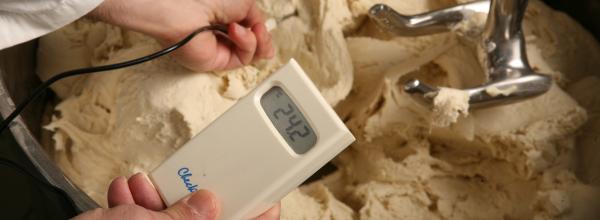
    GRASPAT - Evaluation of milled durum wheat grown in Sardinia for the production of pasta and traditional breadsDeputed officersPorto Conte RicercheDescriptionMilled durum wheat is commonly used in Sardinia to prepare pasta and traditional breads, such as Carasau, Pistoccu, Spianata, Coccoi and Moddizzosu.However, companies often buy the flour ignoring that the physical-chemical characteristics and the rheological properties of raw materials influence bread and pasta making attitude and, therefore, products' quality.For this reasons the project aims to define, for durum wheat grown in Sardinia, the specific physical-chemical and rheological characteristics that are best suited to the production of pasta and traditional bread.After the identification of 2-3 blends of Sardinian durum wheat with different characteristics, the flours will be analysed and bread and pasta-making experiments will be carried out. Analysis will be made on finished products, using the same type of bread made with “not sardinian flour” as a control sample.At the end of the project we should know which chemical, physical and rheological profile a flour has to possess in order to ensure the best quality of a particular product; thanks to these profiles, we could match every food (bread or pasta) with a particular flour and transmit this know-how to companies.ObjectivesThe project aims to improve the quality of traditional breads and pasta made from durum wheat grown in Sardinia, and to increase the companies' use of native flours by creating the appropriate know-how to choose, based on a specific chemical, physical and rheological analysis, the most suitable for each type of traditional product.Expected resultsDefinition of the qualitative characteristics of flours that are best suited for the preparation of traditional breads and pasta.Reaching of a greater use of Sardinian wheat in the typical products' productionCreation of a short production and distribution chain of pasta or bread (new territorial brand and new “from farm to fork” foods)Funding systemSardegna RicercheProject timing18 months
  • Glu. F. B. B. Project
    Glu. F. B. B. – Gluten Free and Bioactive Beers DescrizioneNegli ultimi anni è stata registrata una notevole crescita di casi di intolleranza permanente al glutine (celiachia), proteina presente in alcuni cereali utilizzati anche nell’industria brassicola (orzo, frumento, farro, etc.), arrivando a stimare in Italia un caso ogni 100 persone. Sul mercato è attualmente possibile trovare delle birre gluten free, ma gli standard sono decisamente lontani dalla qualità delle normali birre artigianali. In Sardegna si possono a tutt’oggi contare 20 microbirrifici, per un totale di 82 etichette proposte. In un mercato occupato in larga misura dalle birre industriali l’unico modo per riuscire a competere è quello di proporre prodotti nuovi e diversificati. Il progetto, portato avanti con un partenariato di birrifici isolani, intende produrre birre gluten free con un forte legame col territorio sardo, attraverso l’utilizzo di materie prime locali come miele, sapa e luppoli.Parallelamente è sempre più presente, nei consumatori, la volontà di ricercare negli alimenti acquistati particolari benefici per la salute, dovuti alla presenza di determinate molecole (si pensi, ad esempio, agli omega3 del pesce o al resveratrolo nei vini rossi). Per questo motivo, attraverso la proteomica e la peptidomica, verranno ricercate informazioni utili a migliorare il processo produttivo e le caratteristiche sensoriali di birre prodotte all’interno del cluster. Obiettivi Il progetto prevede:La creazione di ricette di birre gluten free a partire da materie prime e/o ingredienti a forte connotazione territoriale.La ricerca, attraverso la proteomica e la peptidomica, di informazioni utili a migliorare il processo produttivo e le caratteristiche sensoriali di birre prodotte all’interno del raggruppamento di imprese partecipanti al progetto. Risultati attesiIl progetto si propone di ottenere almeno due ricette di birre artigianali gluten free, in modo da aumentare la competitività delle aziende del settore. Parallelamente si procederà con la definizione di almeno due profili proteici di birre diverse, che permettano di mettere in evidenza alcune caratteristiche salutistiche interessanti per i consumatori e di ottenere prodotti di alta qualità. FinanziamentiSardegna Ricerche Tempi di realizzazioneIl progetto di ricerca ha una durata di 12 mesi. 
  • LGI CARASAU Project
    LOW GLICEMIC INDEX CARASAU - Progetto di ricerca industriale per lo sviluppo di pane Carasau a basso indice glicemicoDescrizioneIl progetto intende mettere a punto un pane Carasau a basso indice glicemico attraverso l'impiego della pasta acida fermentata con lievito naturale che, a differenza del lievito di birra, è in grado di regolare e tenere basso questo fattore. In una prima fase verrà messo a punto il lievito naturale e definite le caratteristiche che deve possedere una semola rimacinata, affinché sia adatta alla produzione di pane Carasau a lievitazione naturale. Successivamente si procederà con il mettere a punto il processo di produzione, attraverso esperimenti di panificazione che verranno effettuati sia a Porto Conte Ricerche, su scala pilota, che direttamente in azienda, su scala industriale. Una volta prodotto il pane Carasau si provvederà allo studio della shelf life e alla sua caratterizzazione da un punto di vista sensoriale (grazie a un panel di assaggiatori) e nutrizionale.La definizione dell’indice glicemico del pane verrà invece effettuata in collaborazione con il Servizio di Diabetologia dell’A.O.U. di Sassari, attraverso dei test effettuati su un gruppo di volontari. Le informazioni ricavate consentiranno all’azienda di presentare sul mercato un prodotto “nuovo”, avente caratteristiche ben definite e provate scientificamente, in grado di soddisfare le esigenze di consumatori attenti agli aspetti salutistici di un alimento.ObiettiviIl progetto ha come obiettivo generale l’aumento delle conoscenze (know how) relative alla messa a punto di un nuovo prodotto da forno (flat crispy bread) a basso indice glicemico, attraverso l’impiego della pasta acida fermentata con il lievito naturale e la messa a punto del processo produttivo.Risultati attesiAttraverso l’impiego del lievito naturale, il cui utilizzo all’interno del processo produttivo sarà reso performante e in linea con le esigenze di una produzione industriale, si otterrà un pane Carasau con basso indice glicemico e caratteristiche sensoriali e nutrizionali superiori. Con lo studio del packaging più adatto si riuscirà inoltre a migliorare e prolungare l'alta qualità del prodotto.Grazie al progetto, l'azienda Urrai (partner) potrà così aumentare le referenze differenziando l'offerta e incrementando, di conseguenza, il fatturato.FinanziamentiSardegna Ricerche. Interventi per favorire l’innovazione del sistema delle imprese attraverso l’acquisizione di capacità e conoscenze.Tempi di realizzazioneIl progetto di ricerca avrà una durata di 24 mesi. 
  • Mi.P.R.A. Project
    TitleMinimally Processed Refrigereted ArtichokeDeputed officersLead company: OP AGRIGEST - ARTE VERDE SOCIETA' CONSORTILE A.R.L.Research centre: Porto Conte Ricerche SrlDescriptionThe project aims to develop 12 prototypes of minimally processed refrigerated (MPR) saridinian artichoke (fresh, fourth range and fifth range of four varieties), which will be tested in little market test. The MPR foods are in greater demand than ever before, because of the new model of food consumption (quickness, easiness), of their satisfactory shelf life and their excellent preservation of organoleptic characteristics.In particular, the fourth range (washed and cut vegetables ready for raw consumption or ready to be consumed after cooking) and the fifth range (pre-cooked vegetables, not frozen, that can be kept without adding preservative or dressings) are now the most important growth factor of the fruit and vegetable sector.For each of the four varieties of artichoke, the project will develop a fresh-refrigerated sample, a fourth range sample (15 days of shelf life) and a fifth range one (at least 45 days of shelf life). To do that, Porto Conte Ricerche is going to collaborate with several local agricultural companies that will learn this new production system thanks to some seminars.ObjectivesDevelop 3 minimally processed refrigerated (MPR) prototypes for each of the four varieties of artichoke chosen, studying the best packaging and the product's shelf life.Expected results12 MPR products that companies will be able to test in some marketsLong-term result: growthing of an agricultural hub that can produce and process “farm-to-fork” sardinian artichokesFunding systemSardegna RicercheProject timing12 months. 
  • RISPAF Project
    RISPAF - Use of a sterile filling at prolonged storage for the production of fresh filled pastaDeputed officersPorto Conte RicercheDescriptionRavioli and Culurgiones are the best known fresh filled pasta made in Sardinia. The main issue of this kind of products is their short shelf life, which may differ from 5 days for the unpacked fresh pasta to 30 days for the pasteurized one. Ravioli and Culurgiones in fact display problems related to the development of microrganisms on the dough and in the filling, and this phenomena can be in part managed by pasteurization and packaging at modified atmosphere (MAP).The ohmic heating is one of the most important innovation in the field of food technology. The ohmic treatment of filling can be an efficient solution because it can help to make a sterile filling with high organoleptic qualities. Through the use of this treatment, the project aims to obtain a sterile filling, based on potatoes or ricotta (whey cheese), which can be kept for one year at least. Moreover this technology is rather cheap and it doesn't affect production costs.Thanks to this treatment, companies will be able to increase their competitiveness and reduce processing time in fresh filled pasta production, having a filling sterile and storable for a long time.ObjectivesThe project aims to produce Ravioli and Culurgiones' fillings through the use of ohmic heating technology, in order to extend the shelf life of fresh filled pasta.Expected resultsAchieving of sterile fillings, preservable for one year at least, which can be used to prepare Ravioli and CulurgionesLengthening of fresh pasta's shelf life and, consequently, increase local companies' competitivenessReducing of pasteurization time and cost productionCreating of a new company specialized in the ohmic-heating treatment of foodsFunding systemSardegna RicercheProject timing18 months  
  • SIOPROFO Project
    SIOPROFO - Use of ovine whey powder to produce bakery productsDeputed officersTemporary Business Association between Agriculture Department of Università degli Studi di Sassari and Porto Conte Ricerche s.r.l.DescriptionBakery products made in Sardinia are already sold in the large-scale retail channel in all Italy. One of the main critical issues of this kind of export is the product's qualitative change: in fact, the shelf life can be extended thanks to new packaging technology but the high quality is actually guaranteed for a few days.To avoid the use of chemical additives, that consumers find disagreeable, the project aims to extend bakery products' high quality period by using a by-product of cheese manufacturing: the ovine whey powder.After setting the production process, the righ amount of whey will be estimated and new formulations will be able to be produced. Later, the high quality period will be evaluated. The same procedure will be utilized for other kind of bakery products.ObjectivesThe project aims to produce bakery products with ovine whey powder, in order to optimize the production process and increase the high quality period.Expected resultsDevelopment of new products (both bread and sweets) made with ovine whey powder and optimization of the production processGrowthing of exportsCreating of a food supply chain between Alimenta Srl and bakery products' companiesFunding systemSardegna RicercheProject timing18 months   
  • S.P. 55 Km 8,400 - Località Tramariglio n. 15 - 07041 Alghero (SS) Italy

    Ph [+39] 079 998400